



Dopamine Transporter
DAT; SLC6A3
Dopamine transporter (DAT) is a plasma membrane protein that mediates the reuptake of extracellular dopamine (DA) and controls the spatiotemporal dynamics of dopaminergic neurotransmission. DATs play a key role in terminating dopaminergic signalling and in maintaining a releasable pool of dopamine. DATs help to modulate the concentration of extraneuronal dopamine by actively shuttling released transmitter molecules back across the plasma membrane into dopaminergic neurons, where they can be sequestered for later reuse or enzymatic catabolism.
DAT is a principle target of various psychostimulant, nootropic, and antidepressant drugs, as well as certain drugs used recreationally, including the notoriously addictive stimulant cocaine. DAT ligands have traditionally been divided into two categories: cocaine-like inhibitors and amphetamine-like substrates. DAT is regulated by multiple signaling systems, such as PKC.
All Product Categories
-
Dopamine Transporter Inhibitors
(87)
View all products
-
Dopamine Transporter Agonist
(1)
View all products
-
Dopamine Transporter Antagonist
(1)
View all products
-
Dopamine Transporter Activator
(1)
View all products
-
Dopamine Transporter Modulators
(2)
View all products
-
Dopamine Transporter Control
(1)
View all products
-
Dopamine Transporter Ligand
(1)
View all products
-
Dopamine Transporter Related Products (115)
Related Products (115)

-
GBR 12935 dihydrochloride
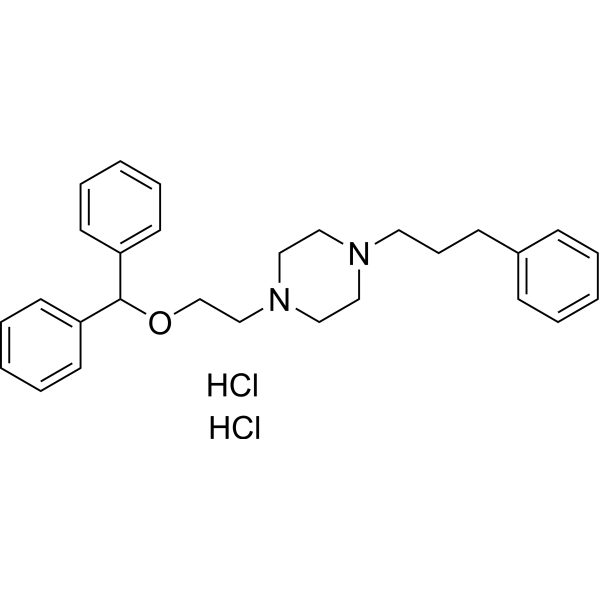 0 ImagesGBR 12935 dihydrochloride is a potent, and selective dopamine reuptake inhibitor, with the binding constant (Kd) of 1.08 nM in COS-7 cells. GBR 12935 dihydrochloride stimulates the locomotion activity in different mice strains but fails to induce stereotypy. Thus, GBR 12935 dihydrochloride also prevents the d-Fenfluramine-induced head-twitch response in mice.
-
Amitriptyline hydrochloride (Standard)
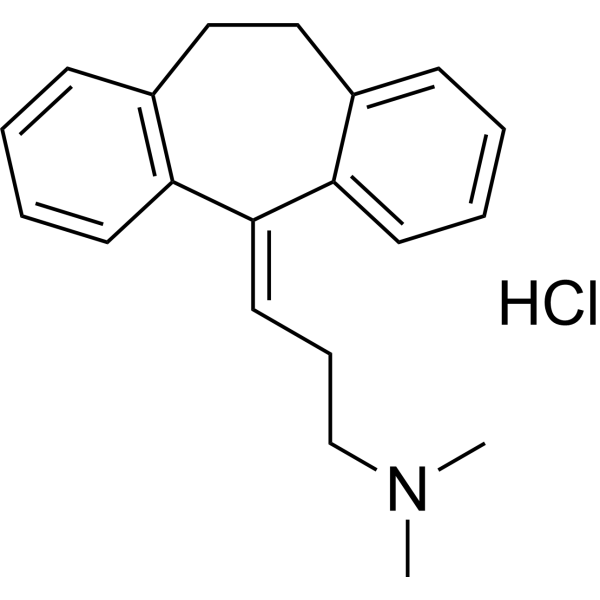 0 ImagesAmitriptyline hydrochloride (Standard) is the analytical standard of Amitriptyline hydrochloride (HY-B0527A). This product is intended for research and analytical applications. Amitriptyline hydrochloride is an orally active tricyclic antidepressant (TCA). Amitriptyline hydrochloride mainly exerts its antidepressant effect by blocking SERT (Ki = 3.45 nM) and NET (Ki = 13.3 nM), thereby increasing the concentrations of 5-hydroxytryptamine (5-HT) and norepinephrine (NE) in the synaptic cleft. Amitriptyline hydrochloride is also an agonist at α2A and TrkA/TrkB receptors, thereby exerting analgesic and neurotrophic activities (inhibiting cell apoptosis). Amitriptyline hydrochloride can reduce inflammation, angiogenesis and fibrosis. Amitriptyline hydrochloride binds to DAT (with Ki = 2.58 μM). Amitriptyline hydrochloride has high affinity for a series of receptors and can antagonize muscarinic cholinergic receptors (M1/M2/M3/M4/M5 receptors) (Ki = 11-24 nM), H1 receptors (Ki = 0.5-1.1 nM), adrenergic α1 receptors (Ki = 4.4 nM), etc., resulting in a series of side effects. Amitriptyline hydrochloride can block sodium channels and hERG potassium channel (IC50 = 4.78 μM) and it has cardiotoxicity.
-
LH2-051
 0 ImagesLH2-051, a lysosome-enhancing compound (LYEC), is a brain-penetrant dopamine transporter (DAT) inhibitor (Ki: 0.95 μM). LH2-051 inhibits DAT-mediated dopamine uptake with an IC50 of 3.0 μM. LH2-051 promotes nuclear translocation of TFEB and lysosome biogenesis. LH2-051 improves the memory of amyloid precursor protein (APP)/Presenilin 1 (PS1) mice. LH2-051 can be used for the study of Alzheimer’s disease.
-
Diclofensine hydrochloride
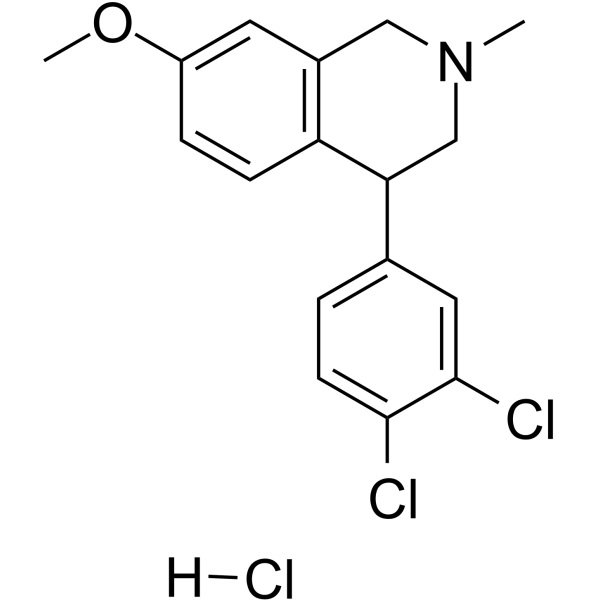 0 ImagesSynonyms: Ro 8-4650 hydrochlorideDiclofensine (Ro 8-46500) hydrochloride is an orally active neuronal monoamine uptake inhibitor. Diclofensine hydrochloride blocks the uptake of dopamine, noradrenaline, and serotonin by rat brain synaptosomes with IC50 values of 0.74, 2.3 and 3.7 nM, respectively. Diclofensine hydrochloride potentiates norepinephrine-induced hypertension and attenuates Tyramine (HY-W007606)-induced hypertension. Diclofensine hydrochloride produces psychostimulant and mood-elevating effects without causing sudden disappearance or withdrawal reactions. Diclofensine hydrochloride can be used in the research of moderate to severe depression.
-
5,7-Dimethoxyluteolin
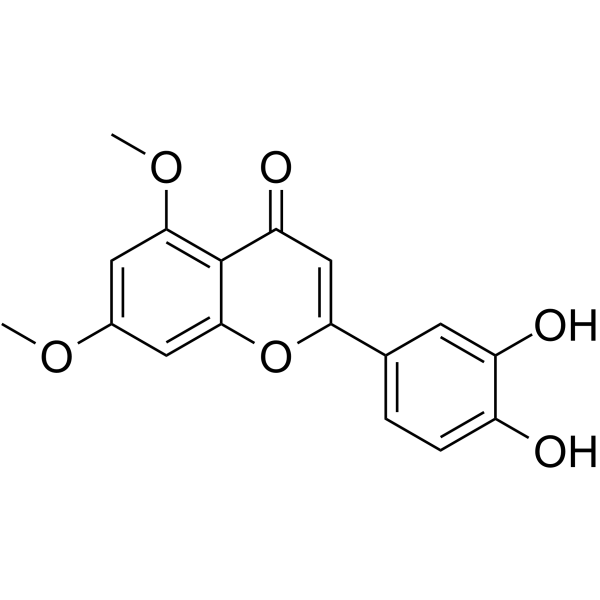 0 Images5,7-Dimethoxyluteolin, a 5,7-dimethylluteolin derivative, is a dopamine transporter (DAT) activator with an EC50 of 3.417 μM.
-
Amitifadine hydrochloride
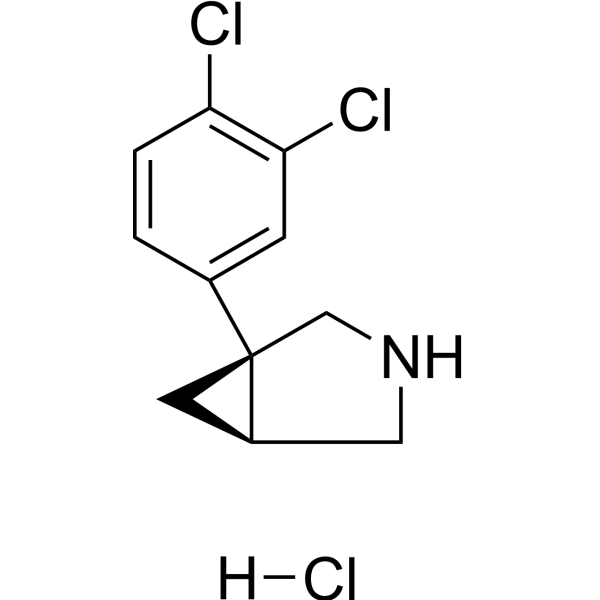 0 ImagesSynonyms: DOV-21947 hydrochloride; EB-1010 hydrochlorideAmitifadine (DOV-21947; EB-1010) hydrochloride is a serotonin-norepinephrine-dopamine reuptake inhibitor (SNDRI), with IC50s of 12, 23, 96 nM for serotonin, norepinephrine and dopamine in HEK 293 cells , respectively.
-
AHN 1-055 hydrochloride
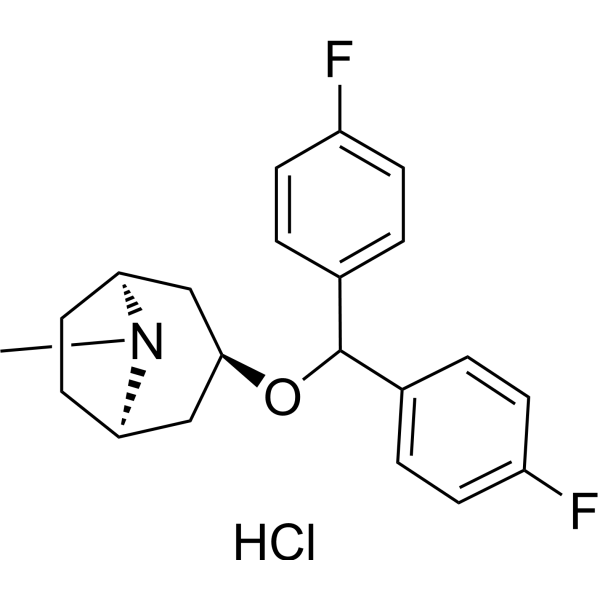 0 ImagesSynonyms: 3α-Bis-(4-fluorophenyl) Methoxytropane hydrochlorideAHN 1-055 hydrochloride is a dopamine uptake inhibitor that can cross the blood-brain barrier, with an IC50 of 71 nM. AHN 1-055 hydrochloride binds with high affinity to the dopamine transporter (DAT).
-
J147
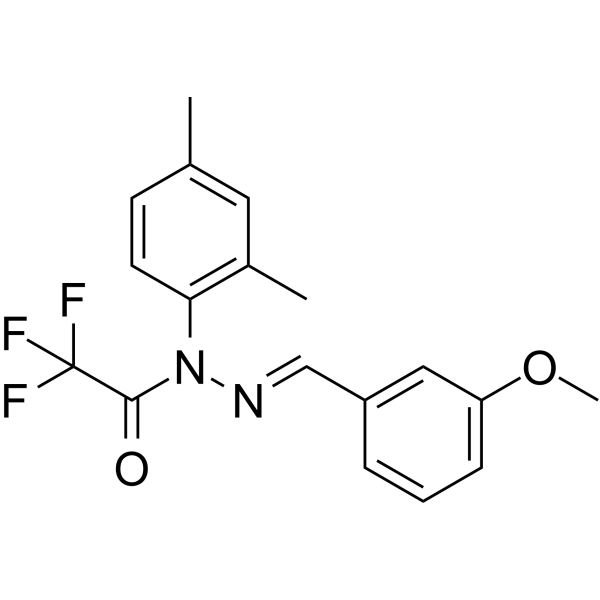 0 ImagesJ147 is an exceptionally potent, orally active, neuroprotective agent for cognitive enhancement. J147 can pass the blood brain barrier (BBB). J147 can inhibit monoamine oxidase B (MAO B) and the dopamine transporter. J147 plays an impotant role in Alzheimer’s disease (AD).
-
Amitriptyline-d6 hydrochloride
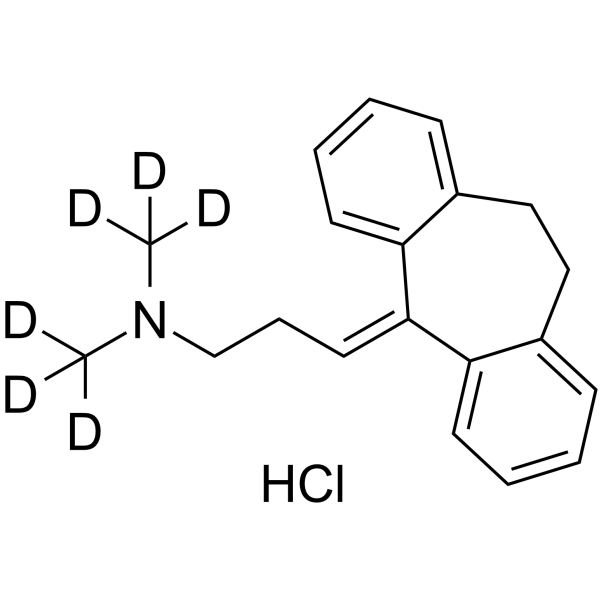 0 ImagesAmitriptyline-d6 hydrochloride is the deuterium labeled Amitriptyline hydrochloride (HY-B0527A). Amitriptyline hydrochloride is an orally active tricyclic antidepressant (TCA). Amitriptyline hydrochloride mainly exerts its antidepressant effect by blocking SERT (Ki = 3.45 nM) and NET (Ki = 13.3 nM), thereby increasing the concentrations of 5-hydroxytryptamine (5-HT) and norepinephrine (NE) in the synaptic cleft. Amitriptyline hydrochloride is also an agonist at α2A and TrkA/TrkB receptors, thereby exerting analgesic and neurotrophic activities (inhibiting cell apoptosis). Amitriptyline hydrochloride can reduce inflammation, angiogenesis and fibrosis. Amitriptyline hydrochloride binds to DAT (with Ki = 2.58 μM). Amitriptyline hydrochloride has high affinity for a series of receptors and can antagonize muscarinic cholinergic receptors (M1/M2/M3/M4/M5 receptors) (Ki = 11-24 nM), H1 receptors (Ki = 0.5-1.1 nM), adrenergic α1 receptors (Ki = 4.4 nM), etc., resulting in a series of side effects. Amitriptyline hydrochloride can block sodium channels and hERG potassium channel (IC50 = 4.78 μM) and it has cardiotoxicity.
-
Z1078601926
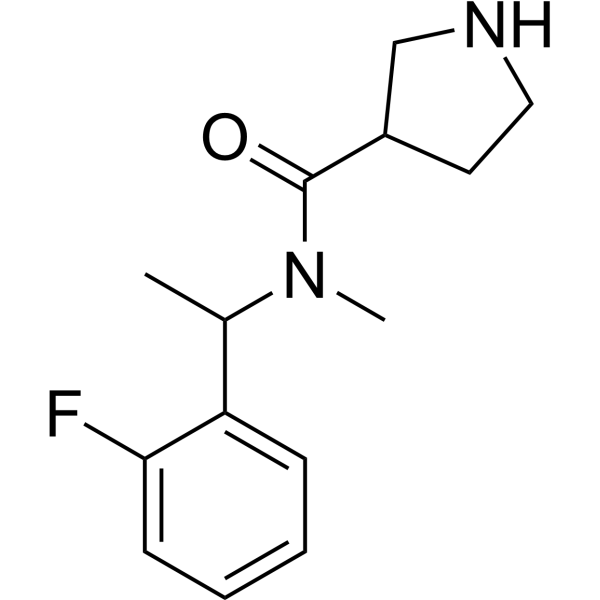 0 ImagesZ1078601926 is an allosterical inhibitor of human dopamine transporter (hDAT). Z1078601926 has synergistic effect with Nomifensine (HY-B1110).
-
Liafensine
 0 ImagesCat. No.: HY-19907CAS No.: 1198790-53-2Synonyms: BMS-820836Liafensine (BMS-820836) is an orally active, blood-brain barrier-permeable monoamine reuptake inhibitor, with an IC50 of 5.67 nM against DAT, 1.08 nM against SERT, and 7.99 nM against NET. Liafensine binds to DAT to block dopamine reuptake. Liafensine binds to SERT to block serotonin reuptake. Liafensine binds to NET to block norepinephrine reuptake. Liafensine can be used in studies related to depression.
-
Indatraline hydrochloride
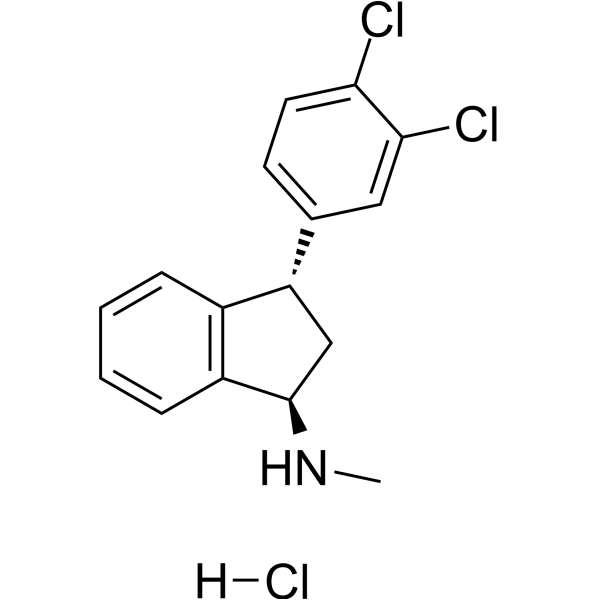 0 ImagesSynonyms: Lu 19-005Indatraline hydrochloride (Lu 19-005) is a non-selective monoamine transporter inhibitor that blocks the reuptake of neurotransmitters (dopamine, serotonin, and norepinephrine). Indatraline hydrochloride can be used for the research of antidepressive. Indatraline hydrochloride induces autophagy while simultaneously inhibiting cell proliferation. Indatraline hydrochloride may also serve to direct the development of new agents for autophagy-related diseases such as atherosclerosis or restenosis.
-
Bupropion morpholinol
 0 ImagesBupropion morpholinol (Hydroxy Bupropion) is a major metabolite of Bupropion. Bupropion morpholinol inhibits Dopamine, Norepinephrine transporters and the α4β2 nicotinic receptor in vitro. Bupropion morpholinol contributes to antidepressant and smoking cessation activities.
-
Levophacetoperane hydrochloride
 0 ImagesLevophacetoperane inhibits in vitro in a competitive manner, norepinephrin uptake and dopamine uptake.
-
Vanoxerine
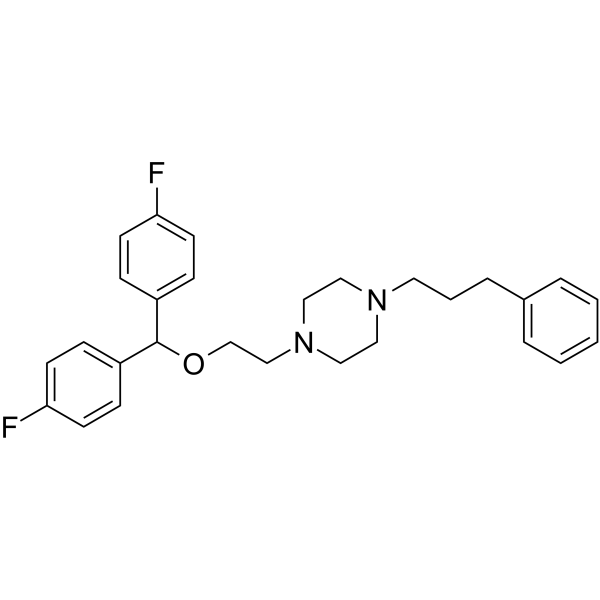 0 ImagesSynonyms: GBR 12909; I893Vanoxerine (GBR-12909) is a competitive, potent, and highly selective dopamine reuptake inhibitor (Ki=1 nM). Vanoxerine (GBR-12909) binds to the target site on the dopamine transporter (DAT).
-
SRI-31142
 0 ImagesSRI-31142 is a putative, brain-penetrant allosteric inhibitor of the dopamine transporter (DAT). In behavioral studies using intracranial self-stimulation (ICSS), SRI-31142 did not produce the abuse-related effects seen with cocaine and GBR-12935, but instead reduced ICSS responses and dopamine levels in the nucleus accumbens (NAc) at effective doses. SRI-31142 also blocked cocaine-induced increases in ICSS and NAc dopamine.
-
Medifoxamine
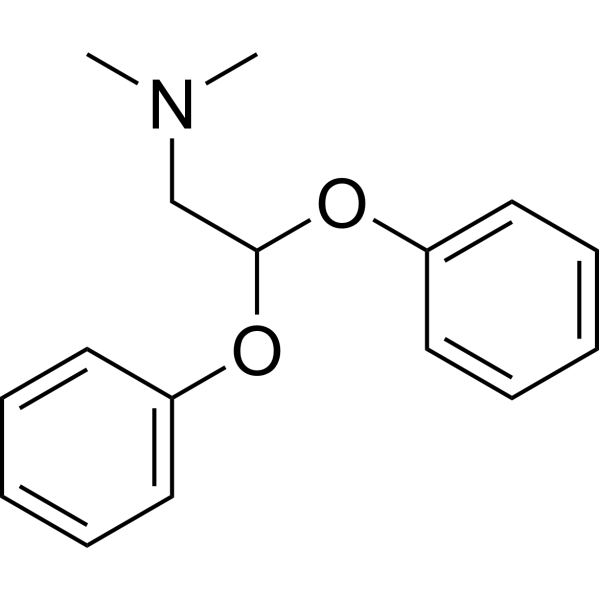 0 ImagesMedifoxamine is an orally active monoamine reuptake inhibitor and antidepressant. Medifoxamine preferentially inhibits presynaptic dopamine reuptake. Medifoxamine acts as an intraocular pressure-lowering agent to reduce intraocular pressure, and also functions as a miotic agent to decrease pupil diameter. Medifoxamine exhibits characteristic properties of antidepressant compounds, including preventing hypothermia induced by Reserpine (HY-N0480) or Apomorphine (HY-12723), potentiating the toxic effects of Yohimbine (HY-N0127) in mice, and reducing immobility behavior in mice and rats in the "behavioral despair" model. Medifoxamine has no anticholinergic activity. Medifoxamine can be used in research related to depression.
-
Centanafadine
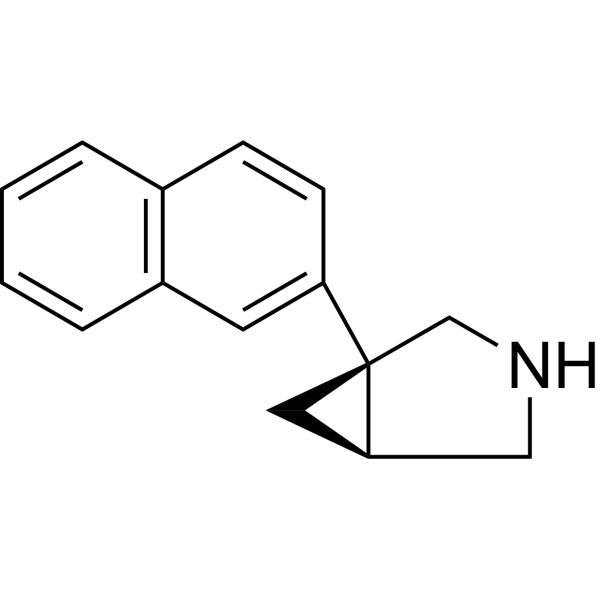 0 ImagesSynonyms: EB-1020Centanafadine is dual norepinephrine (NE)/dopamine (DA) transporter inhibitor, also inhibits serotonin transporter, with IC50s of 6 nM, 38 nM and 83 nM for human NE, DA and serotonin transporter , respectively.
-
Dasotraline
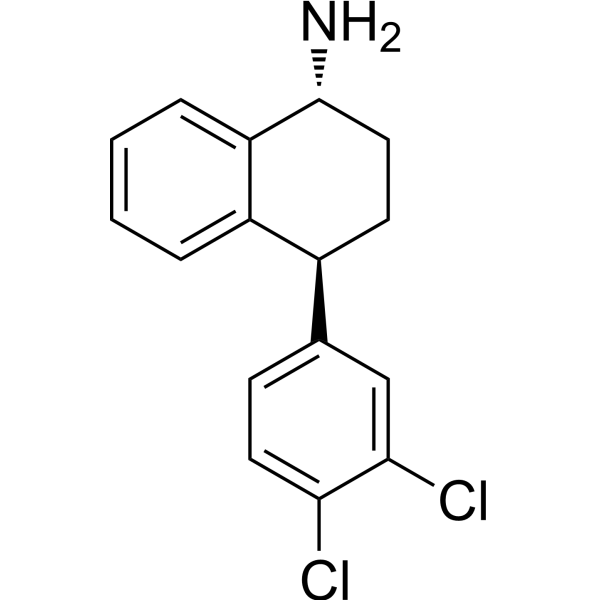 0 ImagesCat. No.: HY-12850CAS No.: 675126-05-3Synonyms: SEP 225289Dasotraline is a triple reuptake inhibitor that blocks dopamine, norepinephrine, and serotonin transporters with IC50 values of 4, 6, and 11 nM, respectively.
-
(S)-CE-123
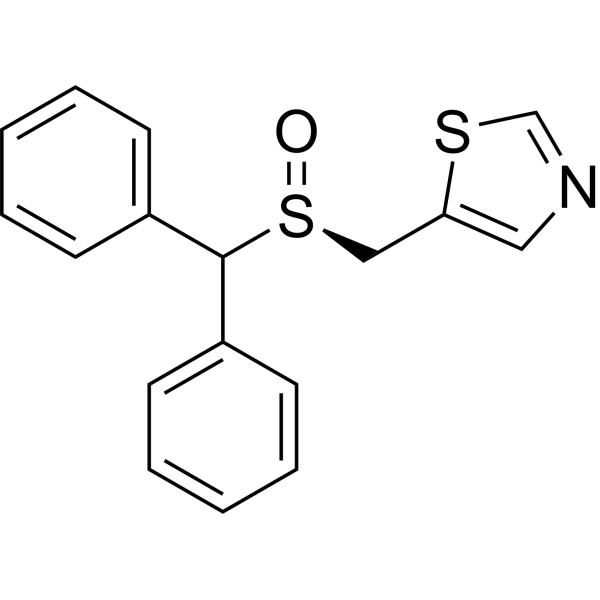 0 ImagesCat. No.: HY-163384CAS No.: 2378384-49-5(S)-CE-123 is a potent, selective, and novel atypical dopamine transporter (DAT) inhibitor with an EC50 of 2.76 μM in uptake inhibition assays conducted in HEK293 cells stably expressing human isoforms of DAT. (S)-CE-123, a Modafinil analogue, is able to penetrate the blood–brain barrier. (S)-CE-123 improves cognitive and motivational processes in experimental animals.



